





People looking for real off-road chops used to have just a few options. A Land Rover Defender, a Toyota Land Cruiser, or a Mercedes-Benz G-Class would tackle mud and rocks just fine, but you usually had to pay north of $100,000 to get one. Plus, feeding a big gas V8 or a twin-turbo V6 out on the trails burns fuel incredibly fast. And let’s be honest, driving those older rigs on regular city pavement felt a lot like steering a heavy tractor.
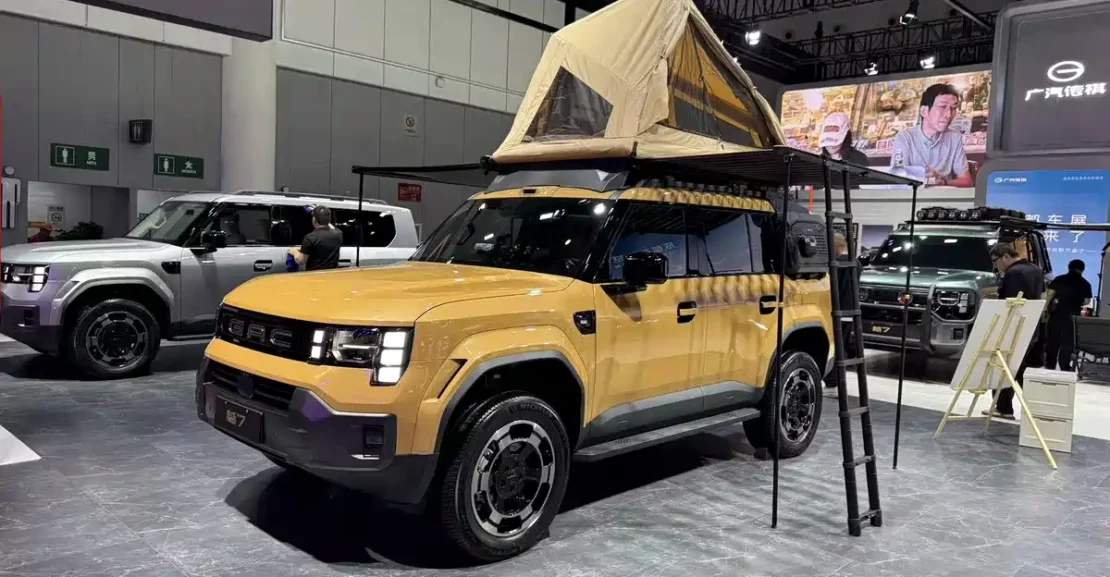
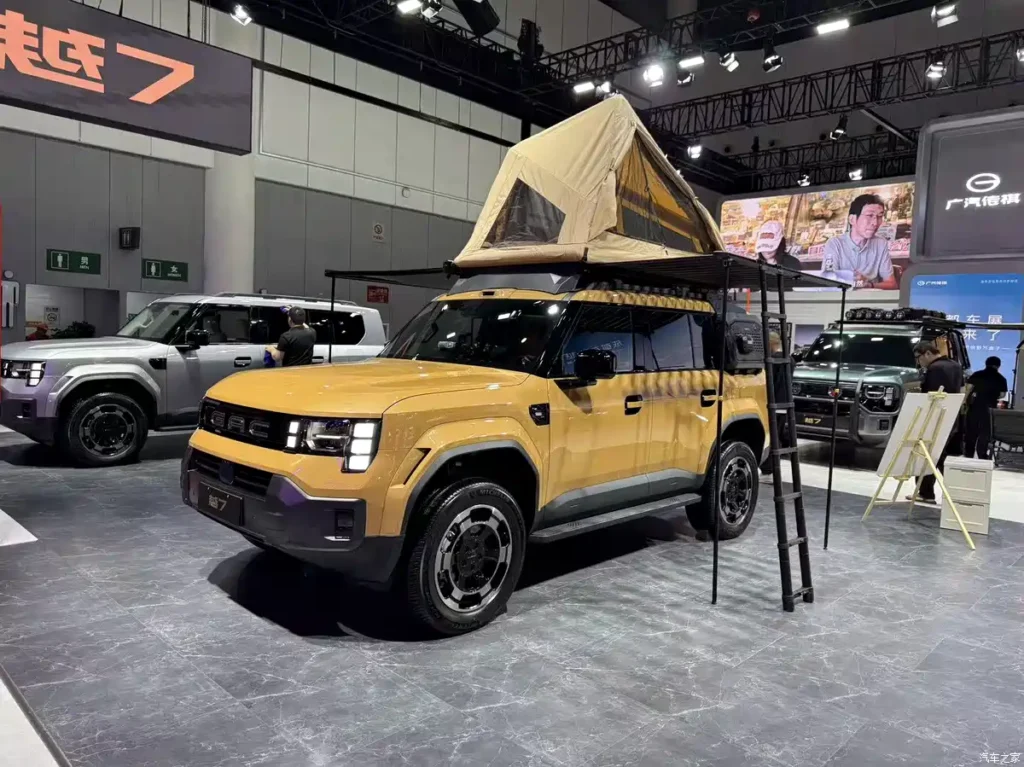
Things are changing now. Chinese automakers pushed over a million boxy, rugged SUVs out the door in 2025 alone. That chunk makes up nearly 9% of their whole SUV market. What kicked off as a simple retro design fad has morphed into a huge engineering shift. Today, these trucks keep that classic square overland shape, yet under the sheet metal, they run on modern plug-in hybrid (PHEV) and extended-range (EREV) setups. The kicker? They usually cost anywhere from $30,000 to $65,000 USD.
Why Hybrid Setups Beat Pure Electric on Long Trails
Even though pure electric 4x4s pack plenty of torque, taking a battery-only truck deep into places like the Australian outback or the Central Asian steppes can easily turn into a nightmare. Sand driving and steep rocky climbs eat through kilowatt-hours extremely fast, and since you won’t find fast DC chargers out in the wild, you’re pretty much stuck if you run out of juice.
Because of this, PHEV and EREV drivetrains just make more sense for off-road travel. Dual or triple electric motors give you instant low-end power right from zero RPM. This means rock crawling feels smooth, and you don’t have to fight a clunky mechanical torque converter. When the battery charge drops, a gas engine kicks in to generate electricity or spin the wheels directly, keeping your total travel range well above 1,000 kilometers.
Camping utility plays a massive role here too. Thanks to vehicle-to-load (V2L) power output, the high-voltage traction battery easily runs mini induction cooktops, small water heaters, and camp lights for days. As a result, nobody has to lug around a loud, smelly portable gas generator anymore.
Top Models Redefining the 4×4 Landscape
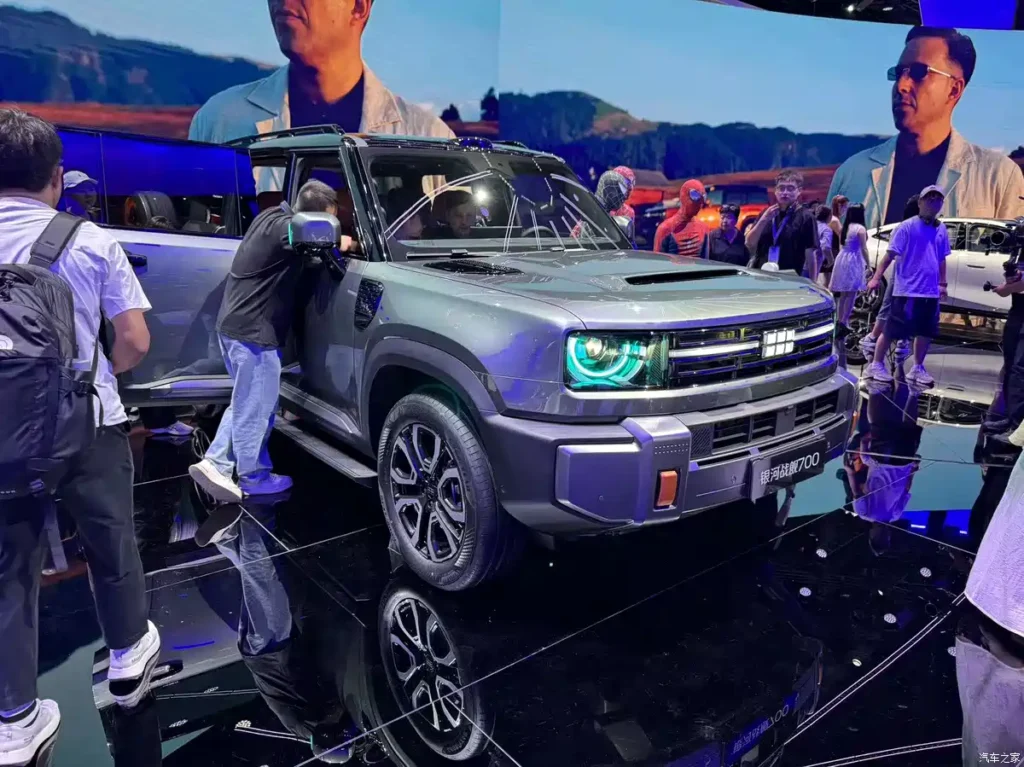
Recent auto shows, especially the Chengdu Auto Show, put this fresh crop of do-it-all trucks front and center.
Look at the Geely Galaxy Battleship 700, which really shows how crazy powertrain numbers have gotten lately. It runs a tri-motor hybrid system pumping out 830kW (over 1,100 horsepower), alongside dual-chamber air suspension boasting 280mm of travel and an 800mm factory wading depth. On top of that, an automated terrain control system reads the ground below and tweaks wheel torque in milliseconds. This smart tech actually makes tough trails a lot easier for newer drivers to handle.
The Freelander 8 takes a similar high-output route, just using an EREV setup instead. Its dual electric motors push out 610kW, getting the truck from 0 to 100 km/h in 4.6 seconds. Keeping a 5.1-meter vehicle nimble on tight mountain switchbacks isn’t easy, so they threw in plus-or-minus 10-degree rear-wheel steering, physical differential locks, and a 900mm wading depth.
Other solid options like the Stelato G9 and Great Wall H10 lean hard into factory-integrated camping gear. Rather than making buyers pay expensive custom fabricators later, these vehicles ship straight from the assembly line with built-in slide-out tailgate kitchens, flush-mounted roof tents, and fully flat fold-down beds inside the cabin.
Key Practicalities International Buyers Must Plan For
Trying to import a Chinese hybrid off-roader means you have to sort out a few technical details before booking container space.
Charging compatibility is usually the first hurdle. Domestic cars in China use the GB/T plug standard, so importers in Europe, the Middle East, or South America must grab certified GB/T to Type 2 or CCS2 adapters to use public stations. Setting up a standard 7kW AC home wallbox, however, just requires basic terminal wiring.
Next up is software localization. While the mechanical bits like air suspensions and locking differentials work perfectly anywhere, infotainment languages can be hit or miss. Some models feature English or Arabic menus right away. Others might need USB updates or aftermarket modules to get Apple CarPlay and Android Auto running smoothly.
Steering position is another big deal. Right now, factories build most of these models strictly in Left-Hand Drive (LHD). This layout is perfect for roads across South America, the Middle East, Central Asia, and certain parts of Africa, but Right-Hand Drive conversions are still pretty hard to find.
Sourcing Directly with Hiluck EV
Hunting down specific trim levels, checking factory specs, and pushing paperwork through Chinese export customs gets super complicated for regular buyers and overseas car dealers.
Working with a dedicated export specialist strips away that friction. Hiluck handles the entire vehicle sourcing process, complete with multi-point physical inspections and end-to-end export logistics for China’s newest electric and hybrid 4x4s. From securing verified factory units to organizing maritime shipping and customs documents, the team gets vehicles delivered straight to destination ports across the globe.
If you want to check out the current catalog, compare configuration details, or grab an international shipping quote, simply visit Hiluck to connect with an export specialist.
