



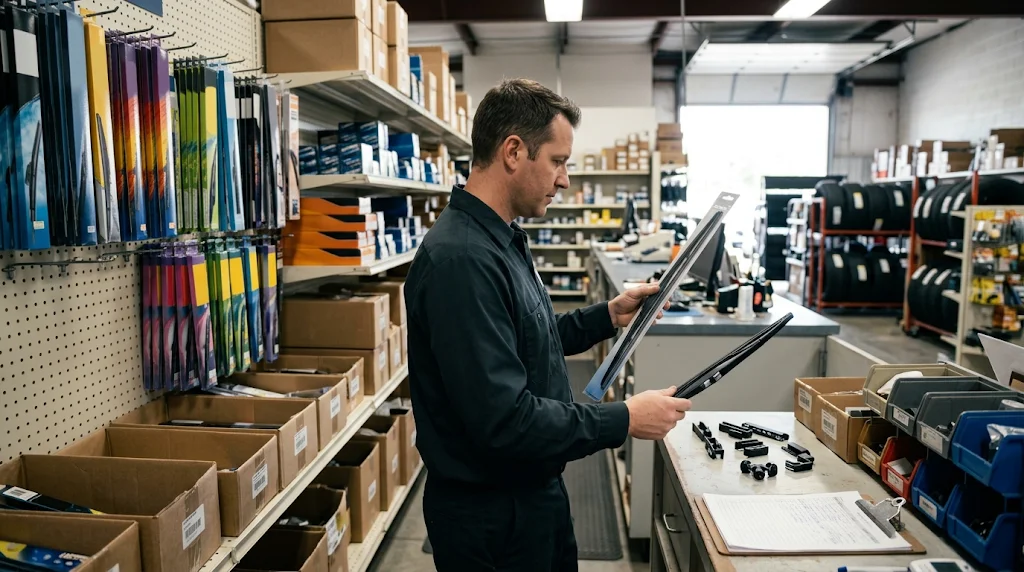
Stocking wiper blades sounds simple until you actually look at your backroom shelves. Every carmaker seems to roll out a slightly different wiper arm every few years, leaving you stuck between two tough choices. You can pack your racks with wholesale wiper blade adapters to cover almost every car on the road, or you can buy OEM frameless wiper blades bulk for exact factory fitment. Pick the wrong mix, and you either bleed cash on dead stock or spend your weekends dealing with angry returns. Sourcing through a reliable automotive and EV parts supplier like HiLUCK helps take the guesswork out of this balance, giving your shop dependable hardware that keeps both your shelves lean and your buyers happy.
How Do 12-in-1 Multi-Clip Systems Reduce SKU Inventory Pressure?
Walk into almost any busy independent parts store and you will see the same problem: limited wall space and too many vehicle models on the road. That is the exact reason 12-in-1 universal systems took off in the first place. Instead of carrying ten separate boxes for one blade length, you carry a single beam paired with interchangeable clips.
Broad Vehicle Coverage with Minimal Shelf Space
A good 12-in-1 kit comes with wholesale wiper blade adapters covering J-hook, push button, pinch tab, side lock, and bayonet arms. In plain terms, one 22-inch blade on your pegboard can fit over 95% of passenger cars driving past your storefront. For small retail shops or online sellers paying steep storage fees per cubic foot, this setup keeps your display neat without turning away walk-in drivers.
Lower Warehouse Capital and Faster Stock Turnover
Cutting down your SKU count by 60% to 70% frees up serious working capital. You no longer have cash sitting idle in dusty boxes meant for a rare sedan from eight years ago. Every blade on the shelf has a much wider pool of potential buyers, so stock moves faster and seasonal rainstorms turn into quick revenue instead of missed sales.
Simplified Purchasing and Restocking Workflows
Ordering gets way easier when you only track length rather than length plus arm type. Counter staff also spend less time squinting at tiny paper fitment charts during a rush. If your team wants a quick refresher on identifying tricky arm types before placing a reorder, checking technical guides on the HiLUCK blog can save a lot of counter confusion.
Why Do Dedicated OE Fit Blades Outperform Universal Clips on Return Rates?
Saving shelf space feels great on paper, right up until the returns start rolling back through the front door. Universal kits solve a warehousing headache, yet they often pass the complexity straight onto the driver standing in a rainy parking lot. Dedicated OE fit blades flip that script completely, and the store data usually backs it up.
| Performance Metric | Universal 12-in-1 Multi-Clip | Dedicated OE Fit Wiper Blade |
| Required SKU Count (Full Coverage) | Low (15 to 25 SKUs) | High (80 to 150+ SKUs) |
| Average Retail Return Rate | 5% to 10% | 1% to 2% |
| Average DIY Install Time | 5 to 10 minutes | Under 1 minute |
| High-Speed Wind Noise and Chatter | Moderate to High | Minimal (Factory Spec) |
| Packaging Resaleability After Return | Very Low (Missing Clips) | High (Single Intact Unit) |
Significantly Lower Fitment Error and Return Data
Across retail counters and e-commerce channels, multi-clip wipers typically see return rates between 5% and 10%. Most of those returns are not even defective blades. Drivers simply grab the wrong plastic clip, force it onto the arm, and snap a tab. Dedicated OE blades match the vehicle arm one-to-one, which pulls return rates right down to 1% or 2%.
Zero Adapter Bulk and Superior Aerodynamic Stability
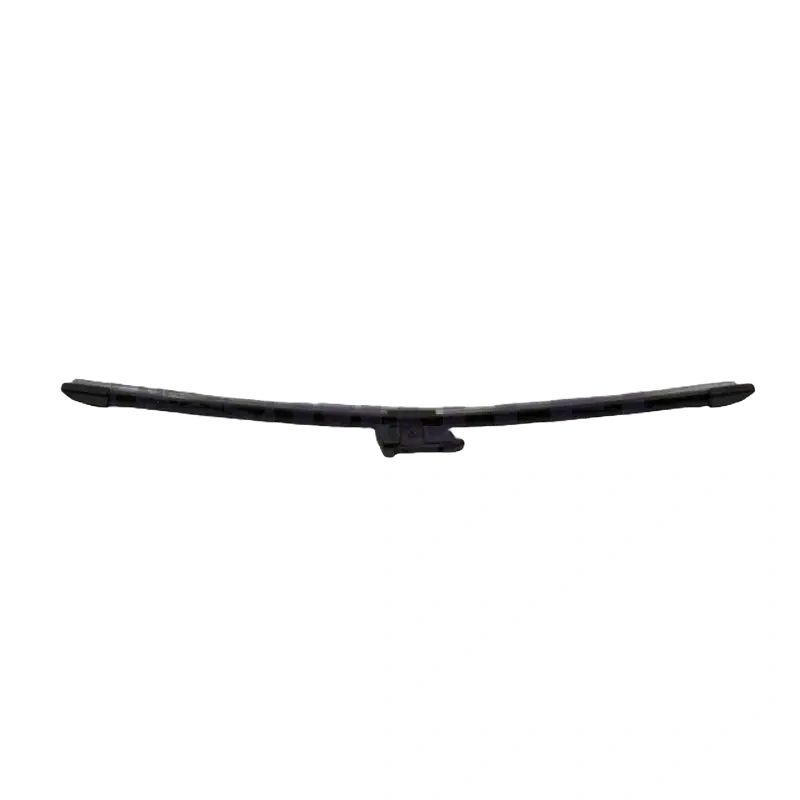
Look closely at a universal clip installed on a modern windshield. It sits tall, looks chunky, and catches wind at highway speeds. That extra lift causes streaking and annoying rubber chatter at 70 mph. A dedicated unit, such as a direct-fit right wiper blade assembly, sits low and flush against the arm, keeping steady downward pressure across the whole glass curve.
Effortless Direct Installation for End Customers
Nobody wants to sort through a tiny plastic bag of six nearly identical black clips while it is pouring outside. Dedicated OE blades snap straight onto the arm right out of the box. That smooth five-second install builds instant confidence in your store and brings customers back when they need filters or brake pads later.
What Hidden Costs Impact Retailers Choosing Wholesale Wiper Blade Adapters?
Your supplier invoice only tells half the story. A multi-clip blade might look cheaper upfront because it trims your SKU count, yet the hidden operational bleed can quietly chew through your profit margin over a single rainy season.
Increased Reverse Logistics and Restocking Fees
Once a customer tears open a plastic clamshell pack and loses one tiny adapter clip in their driveway, that blade is dead on arrival when it comes back to your counter. You cannot tape it shut and resell it as new. For online sellers, paying return shipping on top of a total unit write-off wipes out the profit from three or four good sales.
Higher Customer Support and Staff Training Time
Your staff’s time costs real money. Spending ten minutes on the phone walking a frustrated buyer through the difference between a 19mm and a 22mm push button slows down your whole operation. Multiply that by twenty calls a week, and you are practically paying part-time wages just to troubleshoot plastic clips.
Erosion of Brand Trust among Premium Vehicle Owners
Drivers of modern electric vehicles and higher-end sedans expect whisper-quiet cabins. When a universal adapter rattles against the glass or leaves a hazy smear right in their line of sight, they rarely blame their own installation. They blame the store that sold them a “cheap” blade, and they buy their next set somewhere else.
Which Hybrid Inventory Strategy Maximizes Profit for Auto Parts Retailers?
You do not actually have to go all-in on one side. The smartest auto parts retailers treat universal clips and dedicated OE blades as two different tools for two different parts of their catalog. Splitting your inventory by vehicle volume gives you the best of both worlds.
Multi-Clip Systems for Long-Tail Legacy Vehicles
Keep 12-in-1 multi-clip kits on hand for older models and low-volume cars that rarely show up at your shop. You still capture those random walk-in sales without locking up thousands of dollars in slow-moving boxes that might sit on a shelf for two years.
Dedicated OE Stock for High-Volume Modern Models
For the top-selling daily drivers and fast-growing electric vehicles in your area, switch straight to buying OEM frameless wiper blades bulk. These cars drive repeat traffic, and their owners gladly pay a fair margin for exact factory performance. Pairing your core stock with direct-fit assemblies from the HiLUCK parts inventory keeps your top sellers moving fast with almost zero post-sale headaches.
Data-Driven SKU Allocation by Local Fleet Mix
Apply a simple 80/20 rule using your own point-of-sale records and local vehicle registration trends. Put dedicated OE blades on the 20% of vehicle models that generate 80% of your wiper sales, and let multi-clip kits cover the remaining long tail. Review your return logs every quarter, and whenever a specific car model starts popping up in your universal return pile, move it over to dedicated OE stock.
How Can Retailers Source OEM Frameless Wiper Blades Bulk from HiLUCK?
Building a hybrid inventory only works if your supply chain can actually deliver consistent factory-grade hardware. Poor rubber compounds or sloppy connector tolerances will ruin your return rate no matter which clip style you choose.
Strict Factory Quality Control and Fitment Accuracy
Getting exact OE fitment takes strict tooling standards and consistent rubber testing. Retailers looking for a dependable supply partner can review the HiLUCK company profile to see how the team handles automotive and new energy vehicle parts sourcing, focusing on tight tolerances that match original factory arms.
Flexible Wholesale Supply and Direct-Fit Product Catalog
Whether you need high-runner direct-fit assemblies or a steady stream of replacement EV components, browsing the HiLUCK parts inventory lets you check available specs before committing your budget. Having direct access to dedicated assemblies means you can stock top-selling modern models without digging through ten different middlemen.
Dedicated B2B Support and Custom Quote Services
Every retail market has a different fleet mix, so a cookie-cutter order list rarely makes sense. Reaching out through the HiLUCK contact page lets you request sample kits, compare bulk pricing tiers, and put together a tailored wiper blade mix that fits your exact local demand.
FAQ
Q1: Do 12-in-1 universal wiper blades fit all modern electric vehicles?
A: No. Many newer electric vehicles use specialized low-profile wiper arms or integrated washer nozzles that standard universal clips cannot fit properly, making dedicated OE blades the safer choice.
Q2: How can a small auto parts shop afford to buy OEM frameless wiper blades bulk without overstocking?
A: Start with an 80/20 approach by ordering dedicated OE blades only for the top 15 to 20 best-selling vehicles in your local area, while using universal multi-clip kits to cover rare or older models.
Q3: Why is the return rate so much higher for universal multi-clip wipers?
A: Most returns happen because everyday drivers pick the wrong adapter from the box, install it backward, or accidentally snap the plastic tabs during installation.
Q4: Are wholesale wiper blade adapters still worth stocking for online auto parts sellers?
A: Yes, they work well for older long-tail vehicles where holding dedicated SKUs is too expensive, provided you include clear fitment photos and short installation instructions to cut down on buyer mistakes.
Q5: What makes a dedicated OE wiper blade quieter at highway speeds?
A: Dedicated OE blades connect directly to the wiper arm without tall plastic adapter towers, reducing wind lift and keeping even rubber pressure across the windshield.
