




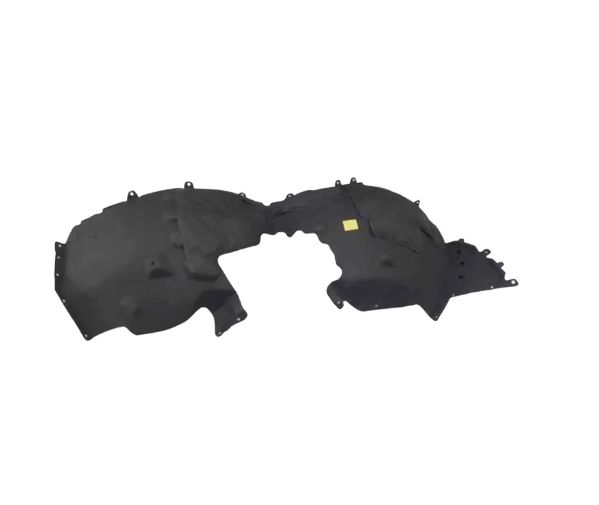
What Are Fender Flares? Styles, Benefits, and Buyer’s Guide
Driving down a gravel road usually means hearing dozens of tiny rocks hitting the side of the car. It is a terrible sound for anyone who cares about their paint job. That is exactly where certain exterior accessories come into play. People search for what are fender flares mostly when they want to stop mud and debris from ruining their doors, or when they just want that aggressive wide-body look. If you run a repair shop or simply upgrade your own ride, finding quality exterior parts makes a massive difference. For electric vehicle applications, companies like HiLUCK provide solid aftermarket and OEM replacements that fit perfectly right out of the box.
What Are Fender Flares?
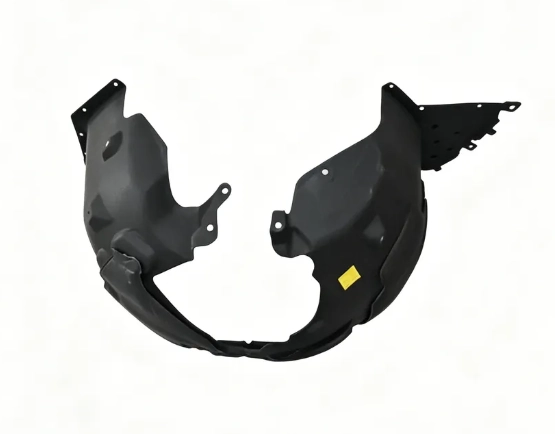
You might look at the wheel arch of a truck and notice a plastic or fiberglass lip wrapping around the edge. That lip is a functional barrier. They basically act like an umbrella for the wheel well.
Protective Extensions for Wheel Arches Fundamentally, these are automotive accessories fitted directly over the wheel well opening. When you ask what are fender flares, the simplest answer is that they are protective shields. They follow the curve of the body panel and extend outward.
Key Components for Vehicle Defense Tires kick up a surprising amount of junk. A standard fender flare blocks mud, standing water, and loose asphalt from flying up and striking the windows or trailing vehicles.
Visual Enhancements for Exterior Design Beyond simple defense, they drastically change how a car sits. Adding a wider stance makes a regular daily driver look rugged. Sometimes the structural base itself needs replacing before you add accessories. A good example is the Left Front Fender Assembly, which provides the main steel or aluminum body structure where these plastic extensions eventually mount.
Why Do You Need Car Fender Flares?
It comes down to saving money on body shop repairs and staying out of trouble with local traffic cops. Ignoring the wheel gap often leads to premature rust and chipped clear coats.
Shielding Paint from Road Debris Keeping your side doors free of scratches is tough. Car fender flares take the impact so the metal body panels do not have to. Replacing a plastic trim piece costs much less than a full door respray.
Complying with Local Legal Requirements If you upgrade to larger wheels with a negative offset, the tire tread will stick out past the factory body. Many regions have strict laws requiring wheel fender flares to cover the entire tread block. Failing to cover the tire often gets you a ticket.
Covering Body Damage and Rust Sometimes older vehicles develop rust right at the wheel arch lip. Slapping on a set of wide covers is a very popular, budget-friendly way to hide minor collision damage or bubbling paint without spending thousands on welding and repainting.
Which Styles of Fender Flares Exist?
The aftermarket industry offers a ton of variety. You are not stuck with just one bulky design. The choice usually depends on whether you want a subtle factory look or something meant for rock crawling.
Factory Original Equipment Style The OE style matches the exact look the vehicle had on the showroom floor. They are low-profile and sleek. People pick these when replacing a cracked factory piece or adding a very mild upgrade.
Pocket and Bolt-on Style This design features recessed stainless steel bolts around the perimeter. It gives off an industrial, heavy-duty vibe. A funny little detail is that those bolts are usually just cosmetic and rarely drill into the sheet metal.
Extended Coverage Style Extended versions stick out several inches. If you run massive off-road tires, you need truck fender flares with maximum width to catch all the mud.
How Do Wheel Fender Flares Differ by Vehicle?
You cannot just grab a universal set and expect it to fit perfectly. The curves and mounting points vary wildly between a compact commuter and a full-size work vehicle.
Compact Sedans and Hatchbacks Passenger cars use thin, aerodynamic trim pieces. They are mostly meant to blend in with the body lines and maybe offer a slight aerodynamic benefit around the spinning wheel.
Heavy-Duty Trucks and Off-Road SUVs Work trucks face constant abuse on construction sites. Therefore, truck fender flares use thicker, impact-resistant plastics designed to take hits from large rocks without shattering.
Specialized Electric Vehicle Fittings The EV market requires exterior parts that do not ruin battery range with excess drag. Finding parts that maintain aerodynamic efficiency is critical here. Browsing a dedicated EV supplier makes it easier to find exact-fit aerodynamic replacements tailored for modern electric platforms.
How Should You Choose the Right Fender Flare?
Shopping for these parts requires paying attention to the material sheet and the exact vehicle generation. A cheap set will fade in the sun within a year, making the whole car look old.
Assessing Material Durability and Flexibility Look for UV-resistant ABS plastic or high-grade polyurethane. Polyurethane is incredibly flexible, meaning it bends instead of cracking if you scrape a tight parking pillar.
Verifying Precise Vehicle Compatibility Always filter by the exact make, model, and year. The curvature of a 2018 wheel arch is totally different from a 2021 model. Guessing the fitment leads to ugly gaps and rattling plastic.
Exploring Premium Inventory Options Sourcing parts from reliable catalogs saves hours of frustration. Whether you need the decorative plastic trim or the actual metal base, checking a comprehensive EV parts inventory helps you gather exactly what the repair manual calls for without running around to different scrap yards.
How Can You Install and Maintain Them?
Most sets are surprisingly easy to install at home with basic hand tools. You do not always need to pay a mechanic for this job, provided you prep the area correctly.
Preparing the Surrounding Body Panels Wash the wheel arch thoroughly and use rubbing alcohol to remove old wax. If the metal behind the wheel is severely dented from a crash, you need to replace that whole section first so the new plastic has a flat surface to sit on.
Securing Mounting Hardware Properly Many modern designs use strong automotive tape and clips that grab onto the inner lip of the wheel well. This means no drilling into the metal, which prevents future rust problems. Just line up the holes and tighten the supplied screws.
Cleaning the Surface Regularly Wash textured plastic with normal car soap. Do not use harsh scrubbing pads. Applying a good quality plastic restorer spray every few months keeps the material looking dark black and prevents the sun from turning it a chalky gray.
Where Can You Buy Reliable Automotive Parts?
Getting replacement components from sketchy online auction sites often ends poorly. It is better to deal with specialists who actually know the specific vehicles and structural tolerances.
Discovering Trusted Supplier History Knowing who makes your replacement panels matters. Reviewing an about us page reveals whether a supplier specializes in cheap universal parts or precise OEM-quality fittings for modern automotive architectures.
Reading Helpful Blog Insights Sometimes you need extra tips on installation or compatibility before pulling the trigger. A dedicated automotive blog often shares technical breakdowns and repair guides that make DIY projects far less stressful.
Reaching Out for Expert Support If the part numbers look confusing, never guess. Professional B2B suppliers have support teams ready to verify fitment. Just hit the contact us section with the vehicle identification number to confirm you are buying the exact match for that specific corner of the car.
ЧАСТО ЗАДАВАЕМЫЕ ВОПРОСЫ
Q1: Do fender flares really protect the car? A: Yes. They act as a physical barrier that stops gravel, mud, and road tar thrown by the tires from scratching the side doors.
Q2: Can you install these parts without drilling into the metal? A: Many aftermarket kits use automotive-grade double-sided tape and metal clips that attach to the factory mounting points. You rarely need to drill fresh holes.
Q3: Are they required by law if you buy wider tires? A: In many places, local traffic laws dictate that the tire tread cannot extend past the bodywork. Adding wide covers keeps the vehicle street legal.
Q4: Will adding them hurt fuel efficiency? A: Large, bulky styles can create minor aerodynamic drag. However, low-profile OE styles have almost zero noticeable impact on gas mileage or battery range.
Q5: How do you fix plastic that has turned gray from the sun? A: UV rays degrade bare plastic over time. You can easily fix the graying effect by washing the area and wiping on a liquid plastic restorer or trim dye.
