




Are Brake Dust Shields Necessary? The Truth about Removing Them
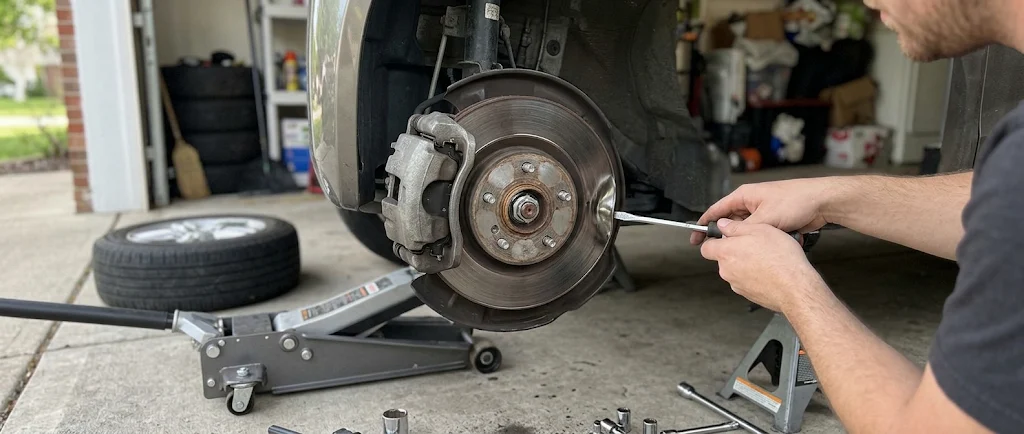
You are driving down the street, rolling your window down to enjoy the breeze, and suddenly you hear it. A terrible metal-on-metal scraping noise coming from the wheels. Panic sets in. Is the transmission failing? Are the brakes completely gone? Most of the time, the culprit is just a bent brake dust shield rubbing against the rotor. This thin piece of metal sits right behind the brake disc. When it gets knocked out of place, it screams. A lot of drivers get so annoyed they just want to rip the thing off entirely. But before taking a pair of tin snips to your car, you need to look at what this component actually does. Finding reliable replacement parts can be tough when dealing with structural damage, which is where مرحبًا بك steps in as a trusted platform for global auto exports and parts sourcing.
What Is the Primary Function of a Brake Dust Shield?
Automakers do not waste money putting useless metal plates on millions of cars. That flimsy looking disc serves several crucial roles in keeping the braking system alive, especially in harsh driving conditions or on heavy electric vehicles.
Protecting the Rotors from Road Debris
Rocks, mud, and dirty puddle water constantly splash up into the wheel well while driving. The shield blocks this flying debris. Without it, a stray piece of gravel could easily wedge itself against the brake pads and score deep grooves into the expensive metal rotor.
Deflecting Excessive Heat from Suspension Components
Brakes get incredibly hot. A heavy vehicle stopping from highway speeds generates enough friction heat to melt plastic. The metal plate acts as a thermal barrier. It stops radiant heat from baking the rubber ball joint boots, tie rods, and sensor wires sitting right next door.
Preventing Premature Brake Pad Wear
By keeping mud and road salt away from the friction surfaces, the dust shield actually extends the life of the brake pads. Clean rotors mean the brake calipers can grip smoothly. Dirty rotors lead to uneven pad wear and a spongy pedal feel.
Why Does a Bent Brake Dust Shield Cause Unwanted Noise?
The space between the brake rotor and the dust shield is extremely tight. Sometimes there is only a few millimeters of clearance. This tight packaging means a bent brake dust shield will instantly cause problems and make you think the whole wheel is falling off. Identifying where that brake dust shield noise comes from is the first step to fixing it.
Direct Contact with the Spinning Brake Rotor
If a mechanic drops a heavy tool or a large rock hits the undercarriage, the thin metal bends inward. As you drive, the metal edge drags directly against the cast iron rotor. Since the rotor spins faster as you speed up, the screeching gets louder and faster too.
Debris Trapped under the Deformed Metal
Sometimes the shield itself is not touching the rotor. Instead, the bent edge forms a tiny cup that catches small pebbles. The pebble gets trapped in that narrow gap and grinds against the spinning metal, creating a horrible screech that sounds exactly like a failing wheel bearing.
High-Pitched Squealing during Normal Driving
Unlike worn brake pads that usually only squeak when you step on the pedal, brake dust shield noise happens constantly. You will hear a rhythmic, high-pitched scrape just cruising down the neighborhood at 15 mph. It is annoying enough to make anyone want to pull over immediately.
How Can You Diagnose Brake Dust Shield Noise Effectively?
You do not need a fancy automotive degree or expensive scan tools to figure this out. Your ears and a flashlight are usually enough to pinpoint the issue right in your driveway. For more technical maintenance tips, you can always browse the official المدونة.
Listening for Scraping Sounds at Low Speeds
Drive slowly next to a solid brick wall or a parked row of cars with your window down. The wall reflects the sound back to you. If the noise is a thin, tinny scrape that changes with vehicle speed but does not change much when you tap the brakes, it is likely the shield.
Inspecting the Clearance around the Wheel
Park on a flat surface and grab a flashlight. Look through the spokes of your alloy wheels. You can usually see the dark metal plate sitting behind the shiny brake disc. If one side looks mashed inward or physically touching the disc, you found your culprit.
Pushing the Shield Slightly to Test Flexibility
Wait at least an hour after driving so the brakes cool down completely. Reach through the wheel spokes with a long screwdriver or a wooden stick. Gently tap or push the metal shield. If it makes the exact same pinging or scraping noise you hear while driving, you are on the right track.
How Do You Fix a Bent Brake Dust Shield Safely?
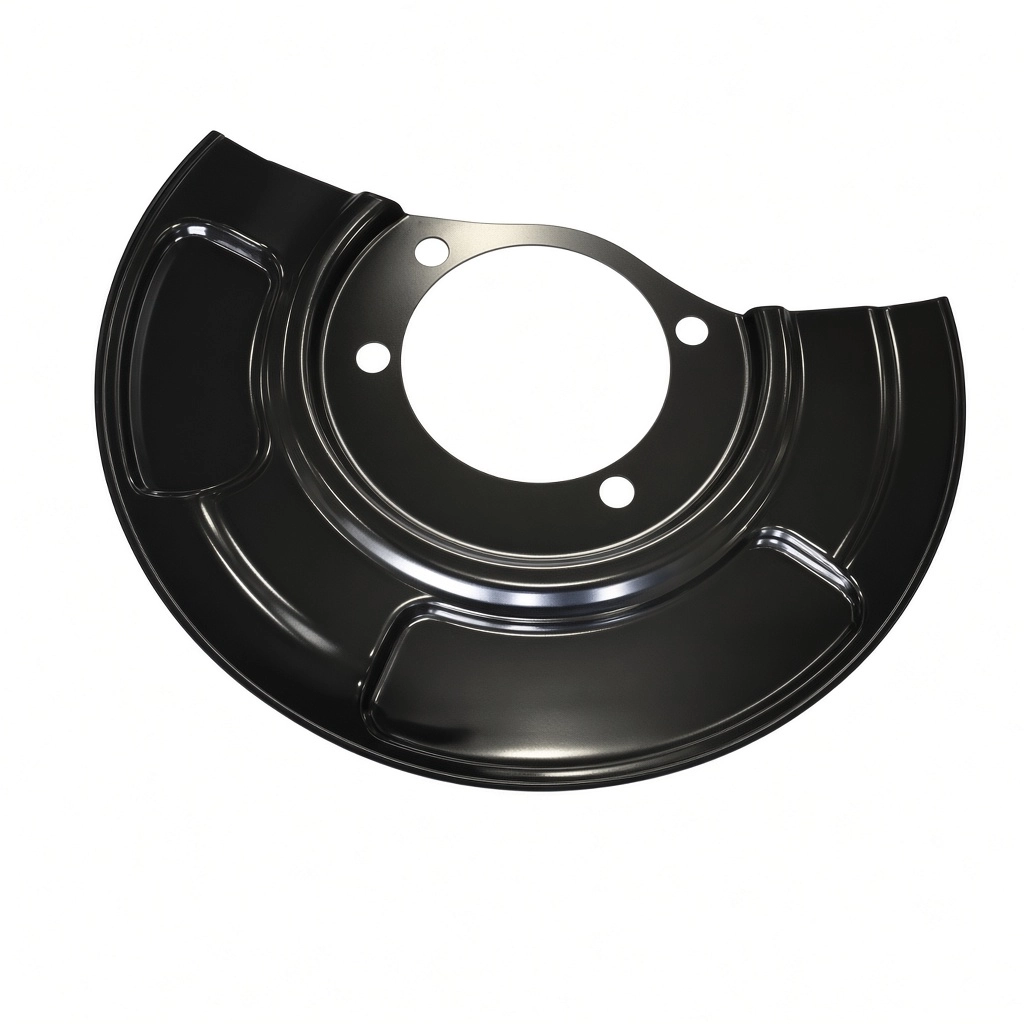
Fixing this is actually one of the easiest driveway repairs you can do. You just need to bend the metal back to its original shape. A little patience goes a long way here.
Lifting the Vehicle and Removing the Tire
Safety comes first. Loosen the lug nuts, jack up the car, and place a solid jack stand underneath the frame. Never work on a car supported only by a hydraulic jack. Take the wheel off to get clear access to the entire brake assembly.
Using a Screwdriver to Pry the Metal Back
Take a long flathead screwdriver and carefully slide it behind the brake rotor, right where the bent brake dust shield is touching. Gently pry the metal backward. You do not need much force. Just flex it away from the rotor by about a quarter of an inch.
Confirming Even Clearance around the Rotor
Once you push it back, grab the rotor with both hands and spin it. Listen closely. If it spins freely with zero scraping, the job is done. Check the gap all the way around the circle to verify it sits evenly.
What Happens if You Completely Remove the Brake Dust Shields?
After dealing with the noise, a lot of people just want to cut the metal away and be done with it forever. This is a very bad idea. Removing the part completely triggers a chain reaction of hidden damage.
Increased Vulnerability to Water and Grime
Without that protective barrier, hitting a large puddle instantly floods the hot brake rotor with cold dirty water. This sudden temperature shock can warp the rotors. Plus, the extra mud ruins the brake pads much faster than normal.
Higher Risk of Localized Heat Damage
Taking away the thermal barrier puts your suspension at risk. The extreme heat radiating from the brakes will cook the grease inside the lower ball joints and tie rod ends. These rubber components will crack, leak, and fail prematurely, leading to much more expensive repair bills.
Potential Safety Inspection Failures
Depending on local laws, removing factory safety components might mean your car fails its annual roadworthy inspection. Inspectors look for missing shields because they are classified as necessary heat and debris deflectors.
When Should You Replace the Brake Dust Shield?
Sometimes bending the metal back just does not work. If the part is too far gone, trying to fix it is a waste of time. You have to swap it out for a fresh piece.
Severe Rust Compromising the Structural Integrity
If you live in an area that uses heavy road salt in the winter, the thin metal will eventually rot away. When a shield is deeply rusted, prying on it with a screwdriver will just snap it into pieces. Rusty, jagged edges are impossible to align properly.
Irreversible Warping Causing Persistent Friction
A heavy impact from a large road hazard can crumple the shield like a soda can. Once the metal stretches and creases too badly, it loses its structural shape. It will keep flapping in the wind and rubbing the rotor no matter how many times you try to bend it back.
Upgrading with High-Quality Parts from HiLUCK
When replacement is the only option left, buying a durable, exact-fit component saves you a massive headache during installation. You can easily pick up a reliable Brake Dust Shield designed for precise fitment and long-term durability.
How Can HiLUCK Support Your Auto Parts Sourcing?
Maintaining vehicles or running an export business requires a steady supply of high-grade components. Partnering with a professional B2B supplier makes the entire process smoother, whether you need single replacement parts or bulk shipments.
Supplying Reliable Components for International Buyers
Sourcing parts across borders can be complicated. Working with a dedicated platform eliminates the guesswork. You can read more about company background and global operations on the نبذة عنا page to see how international demands are handled.
Offering Transparent Inventory and Export Services
Waiting weeks to find out a part is out of stock hurts your timeline. Having direct access to a clear المخزون list helps you plan your maintenance or business logistics without unexpected delays.
Providing Expert Support via Direct Contact
Sometimes you need specific details about a part fitment or export logistics. Getting answers straight from the source is the smartest move. You can reach out directly through the اتصل بنا portal to discuss your exact vehicle needs.
الأسئلة الشائعة
Q1: Can I drive my car with a scraping brake shield? A: Yes, you can physically drive the car, but the constant friction will eventually wear a groove into the rotor and drive you crazy. It is best to pull over and pry the shield back as soon as possible.
Q2: How much does it cost to replace a dust shield? A: The part itself is usually quite affordable, often under thirty dollars. However, the labor cost can be high because the mechanic often has to remove the brake caliper and wheel hub to install the new plate.
Q3: Will cutting the shield fix the noise permanently? A: Cutting away the rubbing section will stop the noise, but you lose the heat and debris protection for your suspension. It is highly recommended to bend it back or replace the whole unit instead of chopping it up.
Q4: Do electric vehicles need dust shields more than gas cars? A: Electric vehicles are heavier and often rely on regenerative braking, which means their physical brakes might be used less frequently but need to stay perfectly clean and rust-free when called upon. The protective shields are very important here.
Q5: Can rocks get stuck behind the dust shield naturally? A: Absolutely. Driving on fresh gravel roads or through construction zones easily kicks small stones up into the wheel well. They drop right into the tiny gap between the metal plate and the rotor.
