





Driving down the road and suddenly hearing a loud, metallic scraping sound coming from your wheels is pretty stressful. Most people immediately assume their brake pads are completely destroyed or a bearing just collapsed. But often, this terrifying racket is simply a bent brake dust shield rubbing directly against the brake rotor. The thin metal plate behind your brake disc is meant to block debris, but it gets pushed out of place easily. Before paying a mechanic for a massive brake job, it helps to know how to spot and fix this simple issue right in your driveway. For those working on electric vehicles or looking for high-quality replacement parts without the traditional dealership markup, مرحبًا بك offers a massive selection of export EV parts to keep your car running silently on the road.
What Causes a Bent Brake Dust Shield on Your Vehicle?
That thin sheet of stamped steel lives in a rough neighborhood. Positioned right behind the spinning brake rotor, it takes a lot of abuse from the environment and human error. Knowing exactly how it got bent can actually help you figure out the best way to bend it back or decide if it needs to go in the trash.
Road Debris Impacting the Shield
Driving over loose rocks, fallen branches, or even just hitting a nasty pothole kicks heavy debris up into the wheel well. Because the shield is relatively thin, a solid hit from a flying rock will easily push the metal inward until it physically touches the rotor.
Improper Handling During Tire Replacement
This happens more often than people admit in repair shops. When rotating tires or changing brake pads, it is incredibly easy to accidentally bump, drop a heavy wheel on, or lean against the dust shield. The metal gives way quickly. If you just got your car back from a tire shop and hear grinding, this is probably the culprit.
Severe Rust and Corrosion Over Time
Daily exposure to rain, snow, and road salt eats away at untreated metal. Over a few years, the shield weakens. Sometimes the metal simply warps from heavy rust, closing the gap between the shield and the rotor on its own. If you want to know how quality materials prevent this, the HiLUCK About Us page highlights why sourcing corrosion-resistant components matters for long-term vehicle health.
How Does a Bent Brake Dust Shield Noise Sound?
The sound a bent shield makes is very distinct compared to worn-out brake pads or a failing wheel bearing. It sounds destructive, like someone dragging a tin can across rough concrete. Here is what you should listen for when trying to track down the problem.
Continuous Metallic Grinding While Driving
The most classic symptom is a harsh brake dust shield noise that speeds up as the car speeds up. It is a continuous metal-on-metal scrape. Unlike a bad brake pad, this noise does not just happen when you step on the brake pedal; it happens the entire time the wheel is turning.
High-Pitched Squealing When Turning
Sometimes the clearance between the shield and the rotor is barely enough to be silent while driving straight. But when taking a sharp turn, the slight flex in the wheel bearing and steering components shifts the rotor just enough to graze the bent metal, causing a sharp squeal.
Scraping Sounds Over Bumpy Roads
Hitting uneven pavement causes the suspension to travel up and down. This sudden movement can make a loosely bent shield bounce and slap against the rotor intermittently. For more technical tips on tracking down weird suspension and wheel noises, checking a dedicated automotive resource like the HiLUCK Blog gives you solid diagnostic frameworks.
Why Should You Fix a Bent Brake Dust Shield Promptly?
You might be tempted to just turn up the radio and ignore the noise. After all, it is just a thin piece of metal. But letting that shield drag against your brake rotor for thousands of miles brings up some real mechanical risks that go beyond a simple headache.
Preventing Premature Brake Rotor Damage
Your brake rotor is a thick piece of cast iron or steel, but constant scraping from the shield will eventually carve a groove into the surface. A deeply scored rotor cannot be resurfaced and fails vehicle inspections, forcing you to buy new rotors much earlier than expected.
Avoiding Excessive Heat Buildup
Friction generates heat. Brakes already run incredibly hot under normal conditions. Adding constant drag from a bent shield traps even more heat against the brake assembly, which can cook the wheel bearing grease or cause brake fade during heavy driving.
Maintaining Optimal Stopping Performance
A damaged shield might actually break off and wedge itself between the brake pad and the rotor. This physically blocks the pad from gripping the disc properly. Keeping your brake system clean and unobstructed is non-negotiable for safety. If things are too far gone, looking through a comprehensive parts catalog like the HiLUCK inventory helps you find exact replacement components to restore your stopping power.
How Can You Diagnose the Source of the Brake Dust Shield Noise?
Finding out which wheel is screaming at you is step one. The good news is you rarely need advanced tools to confirm this problem. A good flashlight and a jack are usually enough to pinpoint exactly where the metal is rubbing.
Inspecting the Clearance Behind the Rotor
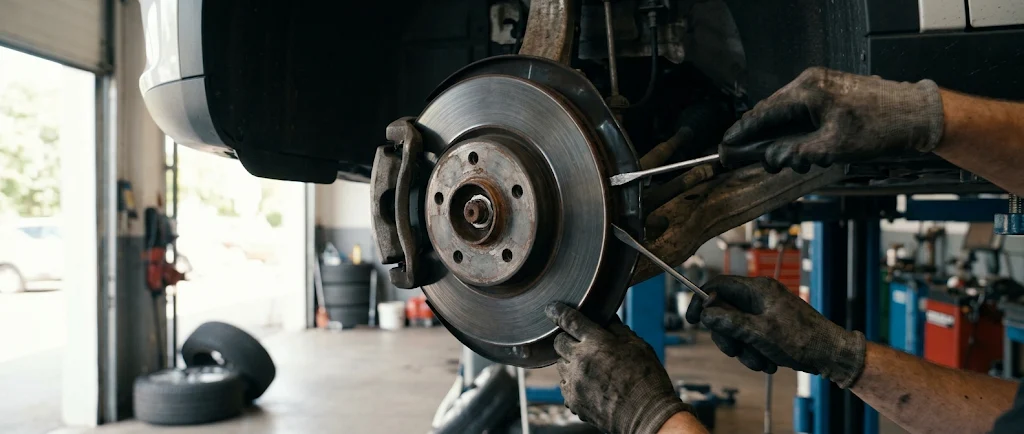
Park the car on a flat surface. Take a flashlight and look through the gaps in your wheel spokes at the brake assembly. You are looking for the thin backing plate. There should be a visible, even gap of air between that plate and the shiny brake rotor. If they are touching, you have found the issue.
Listening for Friction When Spinning the Wheel
To be absolutely sure about the brake dust shield noise, use a floor jack to lift the suspected corner of the car securely on a jack stand. Put the car in neutral and manually spin the tire with your hands. You will immediately hear exactly where the metal is scraping.
Checking for Visible Deformation or Scratches
While the wheel is off the ground, look closely at the surface of the shield. A bent brake dust shield will often show shiny, fresh wear marks where the rust or paint has been scraped away by the rotor.
What Are the Steps to Repair a Bent Brake Dust Shield?
If the metal is simply pushed inward from a rock or a clumsy tire rotation, fixing it takes about ten minutes and costs nothing. You just need to bend it back. Here is the safest way to tackle this minor repair in your driveway.
Safely Removing the Wheel and Caliper
Loosen the lug nuts slightly while the car is on the ground. Lift the vehicle, secure it with reliable jack stands, and take the wheel off completely. Having full access prevents you from accidentally damaging the brake lines or ABS sensors while you work.
Prying the Shield Gently With a Screwdriver
Take a long flathead screwdriver or a wooden dowel. Slide the tool gently through the front of the caliper opening or between the rotor and the shield. Apply slow, even pressure to push the metal backing plate away from the rotor. Do not jerk or hit it with a hammer, as the metal can crack.
Verifying the Clearance Before Reassembly
Once you push the metal back, manually spin the bare brake rotor. Listen closely. If it spins freely without any scratching sounds, the job is done. Put the wheel back on and tighten the lug nuts to the factory specification.
When Is It Time to Replace Your Bent Brake Dust Shield?
Bending the metal back works great for a minor dent. But sometimes the damage is permanent. Metal has limits, and trying to fix a completely destroyed shield will just leave you stranded with dragging metal parts later down the road.
Discovering Unrepairable Metal Fatigue
If you have bent the same spot back and forth multiple times, the steel becomes brittle. You will feel the metal lose its rigidity, acting more like a wet piece of cardboard than a stiff protective plate. At this point, any bump in the road pushes it right back into the rotor.
Finding Structural Weakness From Heavy Rust
When you put a screwdriver against a rusty shield to pry it back, and the metal simply crumbles into brown flakes, the game is over. Rust destroys the mounting points around the steering knuckle, meaning the shield will eventually rattle loose and fall off completely.
Upgrading to a High-Quality Replacement Part
When the old part is cracked, crushed, or rusted through, bolting on a fresh plate is the only real fix. Sourcing parts that match original factory specifications keeps debris out of your wheel bearings and preserves the lifespan of your expensive brake pads.
Where Can You Buy a Reliable Left Front Brake Dust Shield?
Finding obscure metal body parts and shields for modern electric vehicles can be incredibly frustrating. Local auto parts stores rarely keep these specific panels in stock, and dealership service centers often charge massive markups for a simple stamped steel plate.
Trusting HiLUCK for Premium EV Components
Getting the right part fast matters when your car sounds like a rolling blender. Sourcing your components from a specialized exporter gives you parts designed specifically for modern electric and parallel export vehicles, cutting out unnecessary middlemen.
Securing Exact Fitment for Your Left Front Wheel
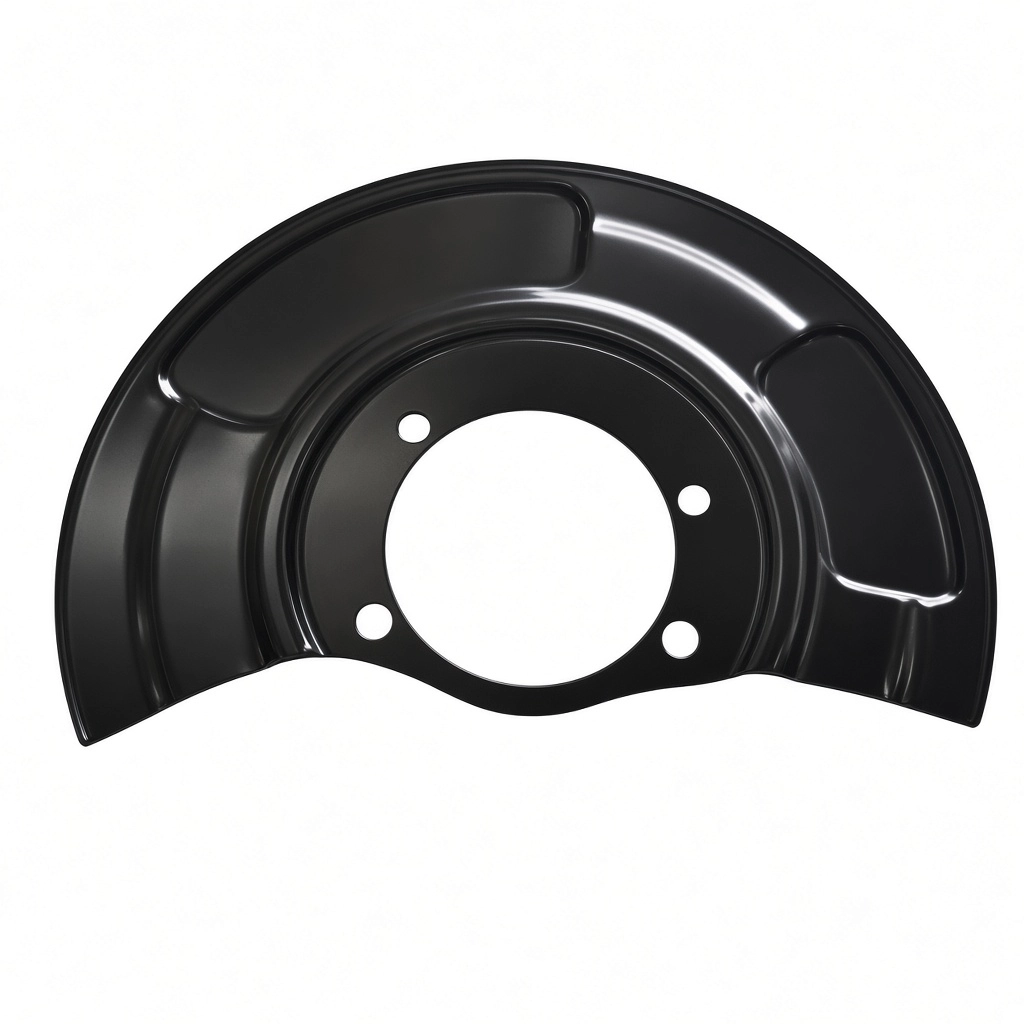
If your front driver-side wheel is the one making the noise, grab the exact replacement right here. You can order the Left Front Brake Dust Shield directly to solve the problem permanently without guessing on fitment or dimensions.
Exploring the Full HiLUCK Inventory Today
Whether you are fixing a single car in your garage or stocking an entire auto repair shop, accessing a deep catalog of reliable auto components saves hours of searching. Reach out through the HiLUCK Contact Us page for bulk inquiries, specific part requests, or logistics questions.
الأسئلة الشائعة
Q1: Can I drive with a bent brake dust shield? A: While you can physically drive the car, it is not a great idea for long distances. The constant friction overheats the brakes and scores the rotor, turning a free repair into a costly brake replacement job.
Q2: Will a bent dust shield affect my braking power? A: Directly, no. The shield does not apply stopping force. However, if the shield traps rocks against the pad or creates excessive heat buildup, your braking efficiency can drop significantly during heavy driving.
Q3: How much does it cost to fix a bent brake dust shield? A: If you can pry it back into place yourself, it is completely free. If the shield is rusted and needs full replacement, the part itself is usually inexpensive, but labor can add up since the brake caliper and sometimes the wheel hub must be removed to bolt the new one on.
Q4: Can I just completely remove the brake dust shield? A: Removing it entirely is a bad move. The shield protects your brake components and sensitive ABS wheel speed sensors from water, corrosive road salt, and flying gravel. Driving without it drastically shortens the lifespan of your brake pads.
Q5: Does the grinding noise always mean the dust shield is bent? A: No. While a continuous tinny scraping is usually the shield, similar noises can come from completely worn brake pads where the metal wear indicator is dragging on the rotor, or from a small piece of gravel trapped tightly between the pad and the brake disc.
