





Best Digital Rearview Mirror Cameras in 2026: Complete Buying Guide
Driving has changed a lot lately. You sit in your car, glance up at that standard piece of glass, and sometimes you just cannot see past the passengers or the cargo in the back. A digital rearview mirror fixes this old problem. It swaps a plain reflection for a live video feed from the back of your car. This makes driving safer and a lot less stressful. When looking for reliable upgrades for your vehicle, checking out a solid supplier like HiLUCK is a smart move. They deal in real auto parts that actually fit your vehicle. Let us break down what you need to know before buying one of these camera systems.
What Are the Basics of a Digital Rearview Mirror?
People often confuse these gadgets with simple dash cams. But they do different jobs entirely. A true rearview camera setup actually replaces your main line of sight out the back window.
Definition of a Modern Rear View Mirror Digital System
At its core, this device looks exactly like a normal mirror. The trick is a built in LCD screen. It connects to a camera mounted on your trunk or rear window. You get a live, wide angle view of the road behind you. No heads or car pillars get in the way.
Upgrades over a Standard Interior Mirror Car Setup
Think about a regular interior mirror car setup. It relies strictly on your physical line of sight. If your rear window is dirty or you stacked too many boxes in the trunk, you are completely blind. Digital versions bypass the cabin entirely because the camera sits outside or right against the glass.
Essential Functions of a Rearview Mirror Camera
A good rearview mirror camera does more than just show video. Most models record footage automatically onto a memory card. Some have parking assistance lines that pop up when you shift into reverse. The screen can even switch back to a normal mirror if you turn the power off.
Why Should You Invest in a Rearview Mirror Camera?
Spending money on car accessories needs a good reason. It is not just about having a cool screen in the cabin. These systems solve real daily driving headaches.
Elimination of Hazardous Rear Blind Spots
Blind spots cause highway accidents. A traditional mirror gives you maybe a 20 degree view out the back. A camera bumps that up to 130 or even 170 degrees. You can actually see cars hanging out in the next lane before you try to merge.
Improved Visibility during Nighttime and Bad Weather
Night driving is tough when someone behind you has their high beams on. A camera lens handles low light way better than the human eye. Good systems tone down the glaring lights and brighten up the dark road so you can actually tell what is going on.
Expanded Field of View for Heavy Vehicles
If you drive a truck or an SUV, seeing out the back is already hard. The height creates massive blind zones right behind the bumper. Putting a camera up high near the roofline gives a bird’s eye look at the space behind you. This stops those annoying parking lot bumps.
Which Features Matter Most for Digital Rearview Mirrors?
Not all screens are worth your cash. The market is flooded with cheap electronics that break after a month in the hot sun. You have to know what specs actually matter on the road.
High Resolution Displays for Sharp Video Feeds
Look for 1080p or 4K resolution. Anything less and the cars behind you look like blurry blocks. You want a screen that refreshes fast. A laggy video feed is dangerous when you are doing 70 miles per hour on the highway.
Anti-Glare Technology for Safe Highway Driving
Sunlight hitting a screen washes out the picture completely. Anti glare coating is a must have feature. It keeps the video visible during a bright afternoon. At night, it stops the headlights behind you from blinding you through the screen.
Simple Installation Processes for Fast Upgrades
Nobody wants to tear their whole car apart. The best units strap right over your existing mirror. You just run a single wire tucked under the headliner to the back camera. It takes maybe an hour on a Saturday afternoon.
How Can the Outer Rearview Mirror Lens Improve Driving?
Sometimes your digital setup needs to work alongside traditional parts, especially your side mirrors. You need quality glass on the outside to match the tech on the inside. That is where a solid parts supplier comes into play.
Crystal Clear Physical Reflection for Safe Journeys
Even with a great interior screen, you still use your side doors to check lanes. The glass quality out there matters. You can learn more about how a dedicated auto parts supplier sources their gear by reading about them. Better materials mean less distortion on the highway.
Perfect Compatibility with the Outer Rearview Mirror Lens
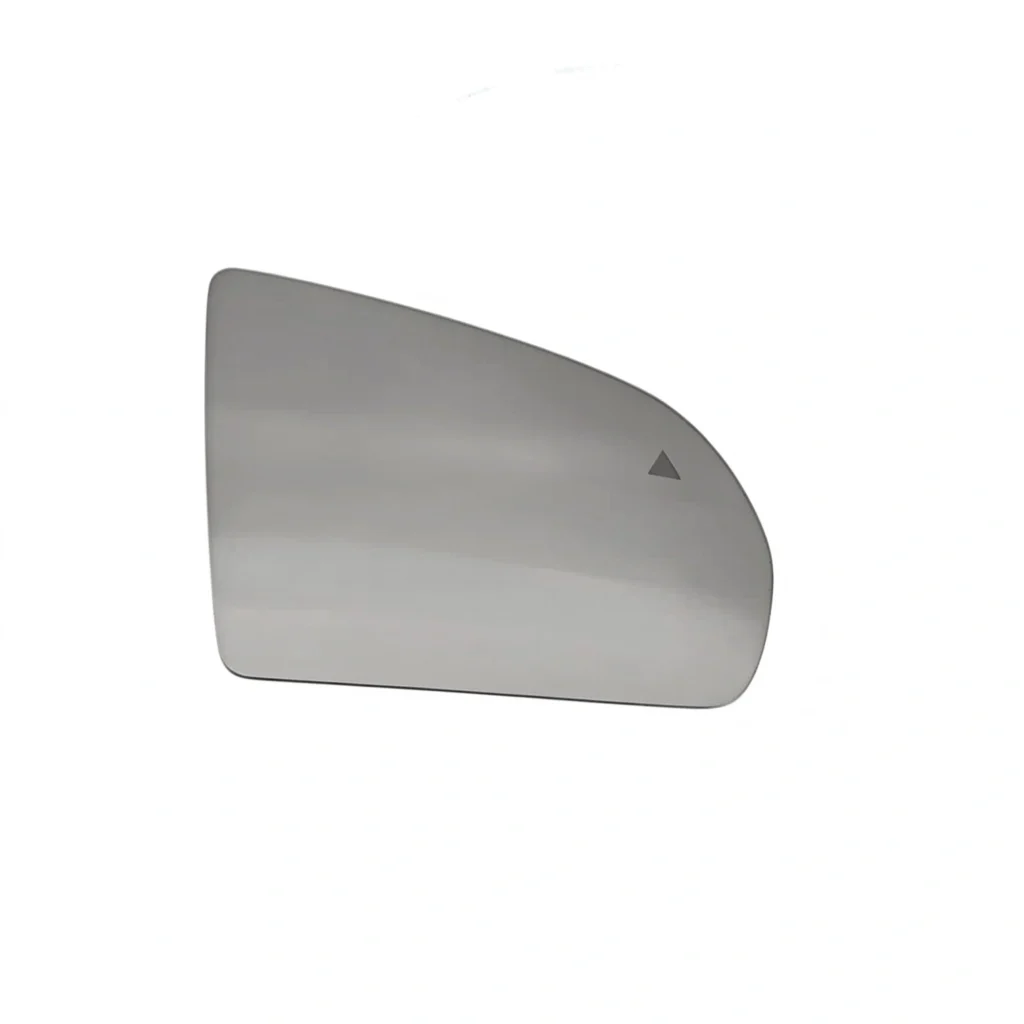
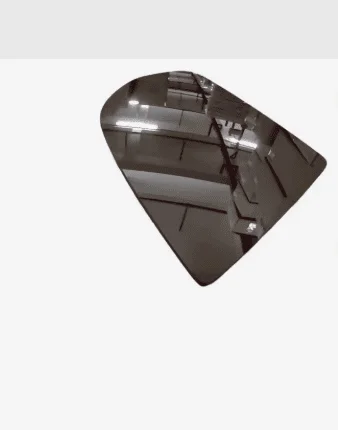
If your side glass is cracked or fading, you can swap it for a precise replacement. For example, grabbing a proper Outer Rearview Mirror Lens fixes the issue fast. It fits the factory housing perfectly without messy glue or weird gaps.
Where Can You Find Reliable Automotive Resources?
Keeping up with car maintenance and new accessories takes effort. It helps to have a trusted place to find both parts and advice.
FAQ
Q1: Can you install a digital rearview mirror yourself?
A: Yes. Most kits just strap over your current mirror. You only need to tuck the wire under the roof trim and mount the rear camera near your license plate.
Q2: Does a rear view mirror digital system record video?
A: Most models act as a dual dash cam. They record the front and rear views onto a memory card while you drive.
Q3: What happens if the rearview mirror camera breaks?
A: Most units have a simple power button. If the screen fails, you just turn it off and the glass acts like a normal reflection.
Q4: Is an interior mirror car camera good at night?
A: Good models have night vision sensors built in. They pick up light better than the human eye and reduce the glare from headlights.
Q5: Do these cameras help with parking?
A: Absolutely. Many systems detect when you shift into reverse. They angle the camera down slightly and show parking grid lines on the screen to guide you.
