






Digital Rearview Mirror vs. Traditional Mirror: Is the Upgrade Worth It?
Have you ever tried backing up a fully loaded electric SUV on a rainy night, only to stare into a traditional piece of glass that shows you nothing but blurry headlights? It is a common frustration for modern drivers. As vehicle designs evolve, rear windows are getting smaller to improve aerodynamics. This makes seeing what is behind you quite difficult. Upgrading your tech is often the best fix. If you happen to be looking for reliable automotive solutions, HiLUCK is a great place to start your search for high-quality new energy vehicle accessories and export products.
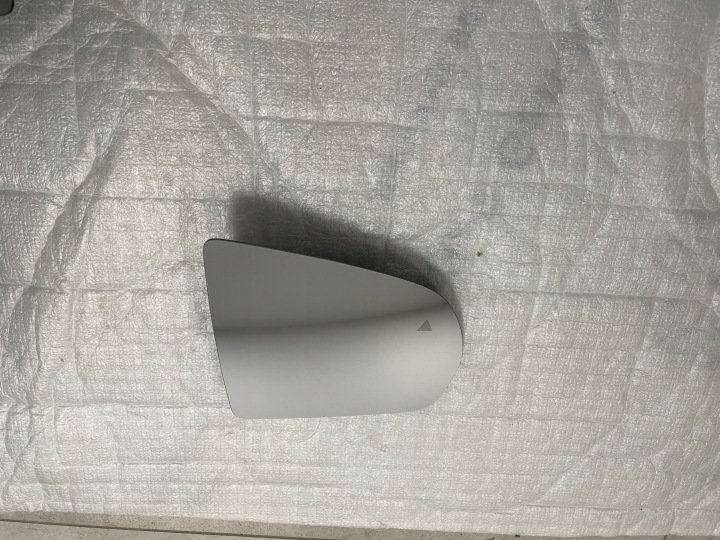
What Is a Digital Rearview Mirror and How Does It Work?
At first glance, a digital setup looks exactly like a standard mirror. You mount it in the exact same spot on your windshield. But instead of just reflecting light, it acts as a high-definition monitor. The system pulls a live video feed from a camera mounted on the rear of the car.
Core Components of a Rearview Mirror Camera
The system usually relies on a wide-angle lens attached near the trunk or license plate. A wire runs through the cabin to connect this lens directly to the LCD screen sitting up front. You get a direct, active video feed rather than a passive reflection.
Video Streaming Technology for Real-Time Views
This is not like a backup camera that only turns on in reverse. The stream stays on constantly while you drive. The processor inside handles the image data so quickly that there is zero lag between what happens outside and what you see on the screen.
Structural Differences from a Standard Interior Mirror Car
A regular interior mirror car setup uses a basic piece of glass with a reflective coating. The digital version is essentially a smart screen wrapped in a glass housing. It feels a bit heavier in your hand but fits seamlessly into the cabin.
Why Are Traditional Mirrors Falling Behind Modern Driving Needs?
Vehicle manufacturing has changed drastically over the last decade. Cars look sleeker now, but that often comes at the cost of rear visibility. Thick rear pillars and tiny back windows look great on the showroom floor but create nightmares when you actually have to change lanes on a busy highway.
Limited Field of Vision and Hidden Blind Spots
Standard mirrors only show you whatever fits through the back window frame. If an aggressive driver hangs out right in your blind spot, standard glass simply cannot catch them in time. You end up twisting your neck just to merge safely.
Poor Visibility in Harsh Weather Conditions
Rain, snow, and condensation completely ruin traditional glass reflections. You know the feeling when the rear window fogs up on a cold morning. You are essentially driving blind until the defroster finally kicks in ten minutes later.
Severe Glare Issues During Nighttime Driving
High beams from the truck tailgating you will bounce right off a regular mirror and directly into your eyes. Even with manual dimming tabs, the glare makes it incredibly hard to judge distance correctly in the dark.
What Are the Primary Benefits of a Digital Rearview Mirror Upgrade?
Making the switch changes how you perceive the road. You suddenly get a panoramic view of everything happening behind the bumper. Buyers often source replacement parts like these through specialized B2B channels, and checking out an extensive parts inventory can give you a good idea of what is available for specific EV models.
Expanded Panoramic Vision for Safer Driving
The camera lens sits outside the car, meaning roof pillars and headrests are completely out of the picture. You often get up to a 50-degree wider angle compared to standard glass. It feels almost like watching a movie of the road behind you.
Enhanced Visual Clarity with Night Vision Features
Modern camera sensors are fantastic at gathering light. When you drive down a poorly lit road, the digital screen brightens the image automatically. It tones down blinding headlights while illuminating the dark patches, making night driving much less stressful.
Obstruction-Free Views Regardless of Rear Cargo
Loading up the back seat with tall boxes or having tall passengers blocks a regular mirror instantly. A digital screen bypasses the interior entirely. You can stack cargo up to the roof and still have a perfect view of the traffic behind you.
How Do the Two Mirror Types Compare in Daily Use?
People often wonder if adding more technology just creates more headaches. It is a fair point. Traditional mirrors never suffer from software glitches, but they also offer zero active safety benefits. To learn more about automotive supply chain standards and product reliability, visiting the HiLUCK About Us page provides great industry context.
Installation Complexity and Routine Maintenance
A piece of glass just needs a quick wipe with a microfiber cloth. A rear view mirror digital system requires routing cables and occasionally cleaning the exterior camera lens. It takes a bit more effort to set up initially, but daily use is virtually identical.
System Reliability During Power Failures
A common fear is what happens if the screen goes black. Fortunately, manufacturers thought of this. Almost all digital units have a physical switch at the bottom. Flip it, and the screen turns off, reverting back to standard reflective glass instantly.
Overall Value and Long-Term Safety Investment
Yes, the upfront cost for a digital unit is higher. However, avoiding just one minor parking lot fender bender pays for the entire system. It acts as an active safety net that basic glass simply cannot provide.
Which Mirror Upgrades Does HiLUCK Recommend for Your Vehicle?
Finding the correct specification for an electric vehicle is crucial, especially for right-hand drive models or specific export configurations. High-quality original equipment matching makes a massive difference in daily performance.
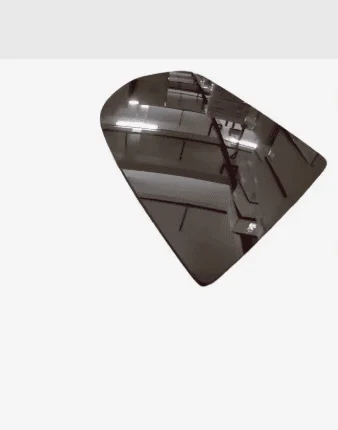
High-Quality Right Outer Rearview Mirror Lens
Sourcing the right parts is essential for a seamless repair or upgrade. If you need a reliable Right Outer Rearview Mirror Lens, choosing options that meet strict original equipment manufacturing standards guarantees proper fitment and long-lasting optical clarity.
Reliable Replacement Parts from the Extensive Inventory
Replacing a cracked housing or a faulty wiring harness should not take weeks of searching. Having access to a well-organized catalog of new energy vehicle components cuts down on repair times significantly.
Trusted Automotive Solutions from the Expert Team
Navigating B2B auto exports and technical specification tables requires solid industry backing. Working with specialists who handle overseas content operations and supply chain logistics takes the guesswork out of purchasing.
How Should You Choose the Right Rear View Mirror Digital System?
Not all digital mirrors are built the same. Some cheap units on the market have terrible latency, meaning the car behind you is actually closer than it appears on the screen. For more deep dives into automotive tech trends, reading a dedicated industry blog is always a smart move.
Compatibility with Your Current EV Model
Check if the camera housing fits your specific trunk lid or license plate frame. Some modern electric vehicles have complex data networks, so the camera system needs to integrate smoothly without triggering dashboard error codes.
Screen Resolution and Camera Quality Requirements
Never settle for anything less than 1080p resolution. A 4K sensor is even better. If the screen is pixelated, you will have a hard time reading license plates or spotting small debris on the highway.
Professional Installation Support and Warranty Terms
Running wires through the headliner and tapping into the fuse box can be tricky. Always look for systems backed by a solid warranty and clear technical support. A good instruction manual saves hours of frustration.
Are You Ready to Transform Your Interior Mirror Car Experience?
Upgrading your visibility setup is one of the most impactful changes you can make to your daily commute. Once you get used to that wide, bright, unobstructed digital view, looking into a standard piece of glass feels incredibly outdated.
Review the Best Digital Rearview Mirror Cameras Available
Take the time to compare different screen sizes and sensor types. Some drivers prefer a full 12-inch display that covers the entire original mirror housing, while others like a smaller, more subtle screen.
Explore the Official HiLUCK Homepage for More Options
Finding dependable accessories designed specifically for new energy vehicles can be tough. Browsing trusted platforms provides access to components that actually meet rigorous export and safety standards.
Contact the Team for Custom Purchasing Advice
If you manage a fleet or need specific parts for right-hand drive models, reaching out directly is the fastest way to get answers. Head over to the HiLUCK contact page to get tailored advice on your next automotive upgrade.
PREGUNTAS FRECUENTES
Q1: Can you use a digital rearview mirror as a regular mirror?
A: Yes. Most units have a power button or a mechanical lever. When turned off, the screen acts exactly like a traditional piece of reflective glass.
Q2: Does rain ruin the camera feed on a rear view mirror digital setup?
A: Generally, no. The exterior lenses usually feature special hydrophobic coatings that force water droplets to roll off instantly.
Q3: Is the installation process difficult for a rearview mirror camera?
A: It requires hiding cables behind the interior trim and connecting a power wire. It is doable for a weekend DIY project, but professional help is always recommended for a cleaner look.
Q4: Will the screen blind you while driving at night?
A: Quality systems automatically adjust their brightness based on ambient light. They dim down in pitch-black conditions so your eyes stay comfortable.
Q5: Do these systems record video like a dashcam?
A: Many models do. They often come with an SD card slot and will continuously record both the front and rear views while you drive.
