


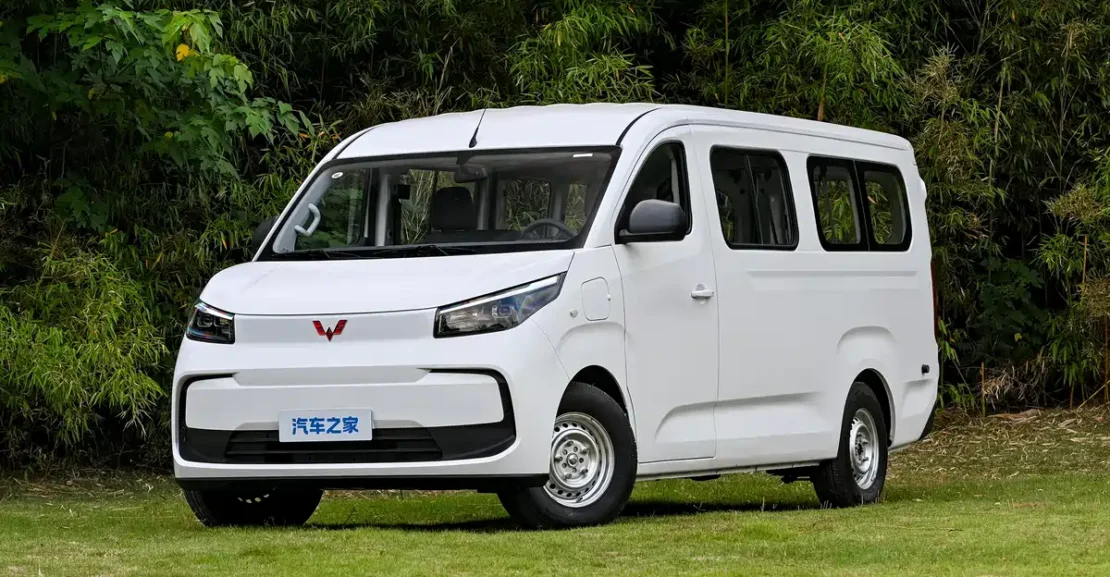
If you’re running a last-mile delivery fleet, finding the right electric van is always a balancing act between cargo volume, upfront acquisition cost, and actual route range. Rather than just reading the manufacturer’s spec sheet, let’s break down what this 9 m³ electric workhorse actually means for your daily logistics operations.
Practical Geometry for Urban Logistics
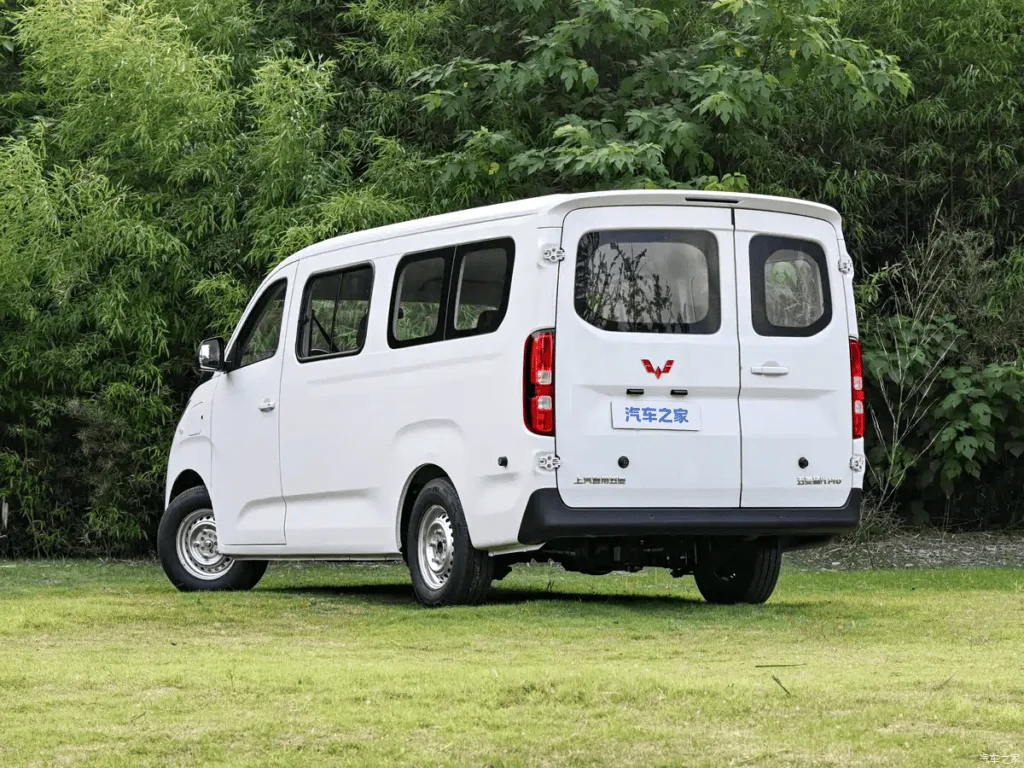
We can skip the marketing talk about its exterior styling—what actually matters to logistics operators is the geometry. The van is purposefully designed with an optimized width-to-height ratio to easily slide under standard 2.2-meter clearance bars. If your drivers frequently navigate underground loading docks in commercial hubs or residential basements, this height specification eliminates a major operational headache and prevents route detours.
Minimalist Interior and Maximum Cargo Efficiency
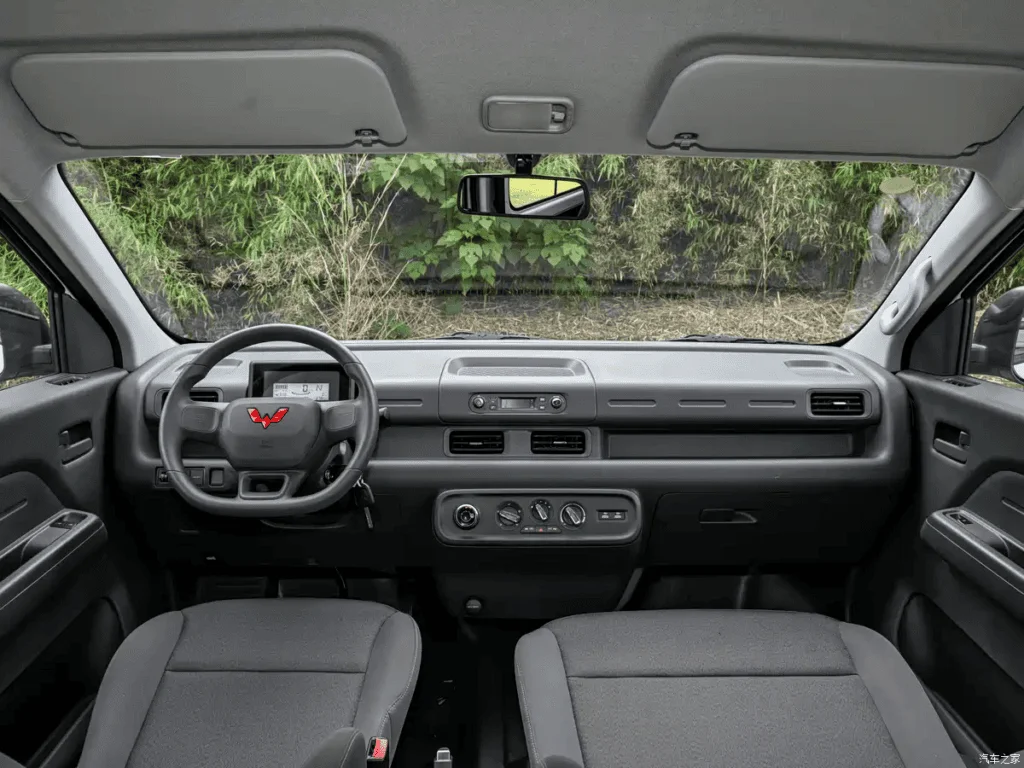
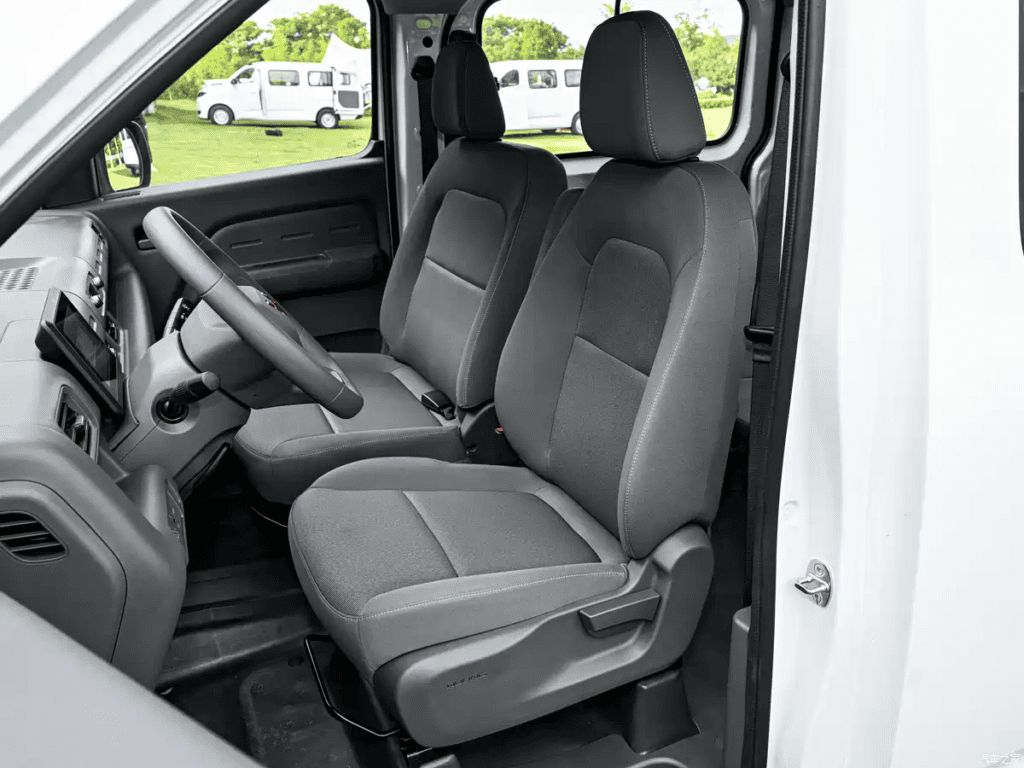
Inside, the cabin takes a minimalist approach centered on cost-efficiency and utility. It comes equipped with a three-spoke steering wheel, a digital instrument display, a radio unit, and durable fabric seats that help keep initial acquisition costs low for business owners.
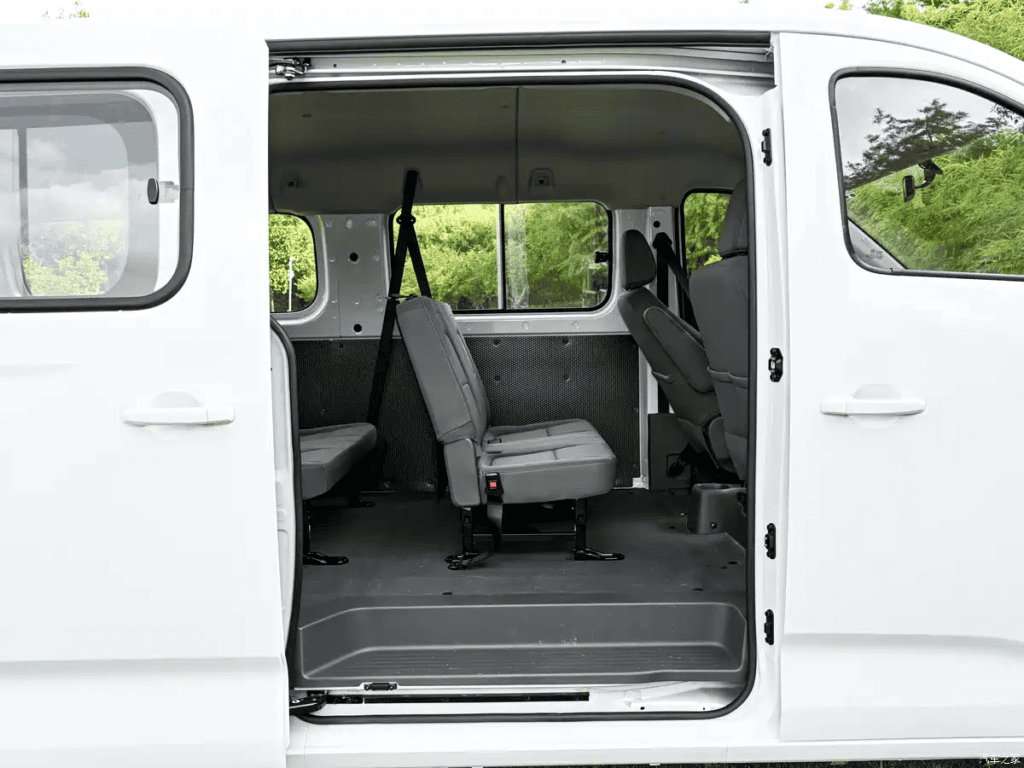
Cargo utility is where the Yangguang Pro excels. Official data reveals a square, highly usable 9-cubic-meter cargo compartment. Designed to streamline loading operations, it features:
- Extra-wide opening rear doors
- An ultra-low loading height
- Minimized interior wheel arch intrusion
- A completely flat cargo floor for maximum stackability
Powertrain, Battery Options, and Range
Payload capacity means nothing if the suspension sags under pressure. Wuling addressed this by pairing a 150 kW (204 hp) rear-mounted motor delivering 380 N·m of peak torque with a heavy-duty rear longitudinal leaf spring setup. It’s built specifically to handle dense, heavy cargo without compromising stability.
For fleet managers, the flexible battery configurations (54.5 kWh, 66.67 kWh, and 69.2 kWh) are a strategic advantage. These options deliver CLTC pure electric ranges of 318 km, 365 km, 380 km, and 405 km, respectively.
My recommendation? Map out your average daily route lengths before ordering. You can optimize your initial investment by choosing the exact battery capacity your routes demand, rather than paying a premium for excess range your drivers won’t use.
