





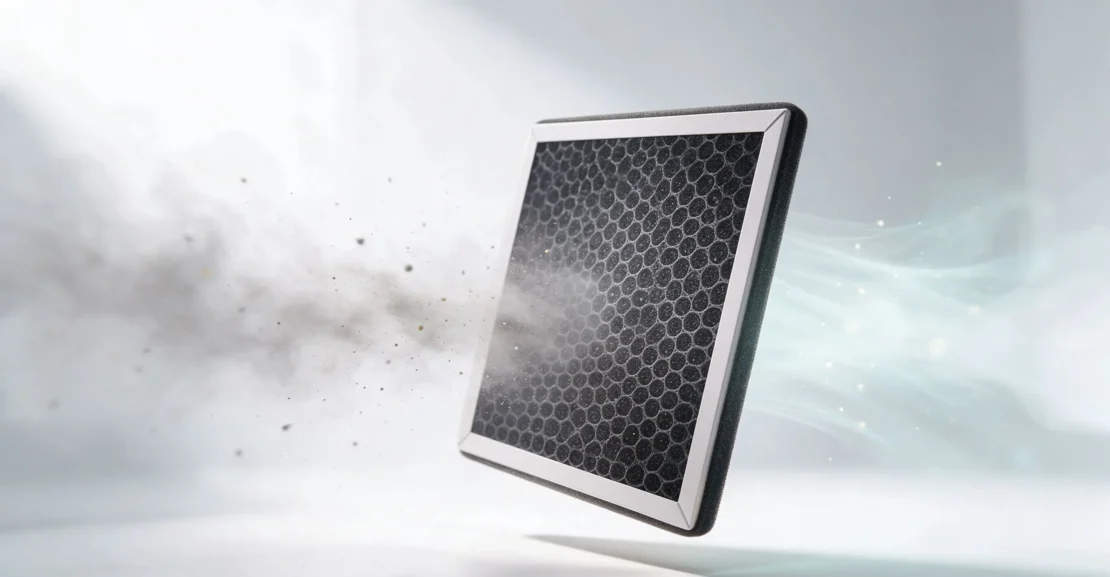
For most vehicles, a good starting point is to change the cabin air filter every 12,000 to 15,000 miles, or at least once a year. That is not a fixed rule for every driver, though. If you spend a lot of time in traffic, drive on dusty roads, or live in an area with heavy air pollution, the filter may need attention much sooner. In those conditions, changing it around 5,000 to 8,000 miles can be reasonable.
The same applies to electric vehicles. An EV does not have an engine air filter, but it still uses a cabin air filter as part of the HVAC system. Once the filter becomes dirty or restricted, you may notice changes in airflow, cabin odor, or climate-control performance.
For anyone operating an imported Chinese EV, there is another point worth considering: getting the right replacement filter when you need it. A routine maintenance item can become a problem if the correct part is difficult to source locally.
Why Is Your Cabin Air Filter Important, Especially for EVs?
The cabin air filter sits in the HVAC air path and filters air before it reaches the passenger compartment. Dust, pollen and other airborne particles are some of the main things it is designed to capture.
It is easy to overlook this filter because it does not affect the way the vehicle drives. You may only notice it when something starts to feel different. Airflow from the vents becomes weaker, an odor develops, or the climate-control system no longer feels as effective as it used to.
EVs still rely on heating and cooling for everyday driving comfort. Those systems use electrical energy, so keeping the HVAC system in reasonable working condition is part of normal EV maintenance.
For imported Chinese EVs, cabin filters also belong on the list of parts worth planning for. Different models can use different filter sizes and designs, and the replacement may not be a common part in every overseas market.
What Are the Signs You Need a New Cabin Air Filter?
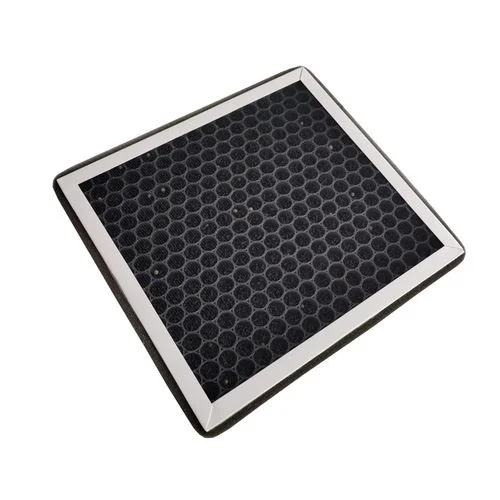
Mileage is useful as a reference, but the condition of the filter tells you more. Here are a few signs worth checking.
1. Musty or Unpleasant Odors
A persistent smell from the air vents is one of the more noticeable signs. Dust, moisture and other contaminants can build up in an old filter. If the odor remains after normal HVAC use, checking the cabin filter is a sensible first step.
2. Reduced Airflow
Turn the fan up and compare the airflow with what you normally get. If the fan is working but the air coming through the vents feels weak, a clogged filter could be part of the problem.
3. More Dust Inside the Cabin
If the cabin seems to collect dust faster than usual, inspect the filter. A dirty filter does not automatically mean it is the only cause, but it is an inexpensive maintenance item to check.
4. Difficulty Clearing Foggy Windows
Window fogging has several possible causes, including humidity and temperature differences. HVAC airflow also matters. If the windows are taking longer than usual to clear, it is worth checking the cabin filter along with the rest of the climate-control system.
5. A Visibly Dirty Filter
If you can access the filter, a quick visual inspection is often useful. A filter covered in dust, debris or other buildup is a clear sign that replacement should be considered.
How Do You Choose the Right Cabin Air Filter?
Finding a replacement is not simply a matter of choosing the most expensive filter. The first requirement is that it fits the vehicle correctly.
Before placing an order, check these points:
Vehicle Compatibility
Start with the vehicle brand, model and model year. Different versions of the same vehicle can sometimes use different parts, so compatibility should be confirmed rather than assumed.
Filter Dimensions
Compare the dimensions and shape of the original filter with the replacement. The filter needs to sit correctly in its housing and seal properly.
Filter Material
Basic filter media can handle common particles such as dust and pollen. Multi-layer designs may provide additional filtration functions, depending on the materials used.
Activated Carbon
Activated carbon is useful when odor control is a priority. The carbon layer is designed to help reduce unpleasant odors and certain gaseous pollutants entering the cabin.
Parts Availability
This becomes more important when you are maintaining several vehicles. For an overseas dealer, rental company or fleet operator, waiting for one relatively simple filter can mean unnecessary vehicle downtime.
Standard vs. Activated Carbon Cabin Air Filters: Which Should You Choose?
A standard cabin filter is usually sufficient for basic particle filtration. If the vehicle is used mostly in clean conditions and odor control is not a concern, there may be little reason to choose a more complex filter.
An activated carbon cabin air filter adds another layer of filtration. The carbon material is intended to help with odors and certain gaseous pollutants, while the other filter layers handle airborne particles.
A typical multi-layer design may include:
- Fine-particle filtration layer: Helps capture dust, pollen and other airborne particles.
- Activated carbon layer: Helps reduce unpleasant and exhaust-related odors and certain VOCs.
- Supporting filter media: Holds the layers together and allows air to pass through the filter as intended.
There is no universal “best” cabin filter. What matters is whether the filter suits the vehicle and the conditions in which it is used.
Why Does Cabin Filter Selection Matter for Imported Chinese EVs?
This is where parts sourcing becomes more relevant.
If you own one vehicle, finding a replacement filter once a year may not be a major issue. For an imported Chinese EV, however, the local parts market may not carry every maintenance item for every model.
That matters even more for businesses. A rental operator with multiple vehicles, a repair shop servicing different EV models, or a dealer supporting imported vehicles needs a more reliable way to identify and source replacement parts.
When requesting a cabin air filter, provide the vehicle brand, model, model year, original filter information and required quantity. Photos or dimensions of the existing filter can also help when compatibility needs to be checked.
A High-Efficiency Cabin Air Filter for EV Maintenance
For compatible EV applications, HiLUCK’s High-Efficiency Cabin Air Filter with Activated Carbon combines multi-layer filtration with an activated carbon layer.
The filtration layers are designed to help capture airborne particles such as dust and pollen, while the activated carbon layer helps reduce unpleasant odors and certain gaseous pollutants. As with any replacement part, vehicle and filter compatibility should be confirmed before ordering.
Cabin filter replacement is usually a straightforward maintenance job. Depending on the vehicle, the filter may be accessed behind the glove box or through another HVAC service area.
View the HiLUCK High-Efficiency Cabin Air Filter with Activated Carbon
What Should EV Fleets Consider When Stocking Cabin Air Filters?
For a single vehicle, buying one replacement filter when needed is usually enough. Fleet maintenance is different.
If several vehicles use the same filter, keeping a reasonable stock can make routine servicing easier. Before ordering, fleet operators should look at:
- Vehicle models and quantities
- Filter compatibility
- Typical replacement intervals
- Local driving and air-quality conditions
- Overseas lead times
- Required stock levels
For businesses importing Chinese EVs, it can also make sense to plan maintenance parts at the same time as vehicle sourcing. Having commonly needed filters available can make after-sales support more predictable.
HiLUCK supplies EV maintenance parts and supports sourcing for overseas customers, including businesses that need compatible parts for imported Chinese EVs.
Contact HiLUCK for EV Parts Sourcing and B2B Supply
FAQ
Q: How often should you change an EV cabin air filter?
A: A common guideline is 12,000 to 15,000 miles or once a year. Drivers in dusty, polluted or heavy-traffic environments may need to replace the filter more frequently.
Q: Do Chinese EVs need special cabin air filters?
A: Not necessarily. The important point is compatibility. The replacement filter needs to match the vehicle’s filter housing and specifications, so confirm the model, model year and original filter details before ordering.
Q: Can a dirty cabin filter affect AC performance?
It can. A heavily clogged filter restricts airflow through the HVAC system and may make ventilation and cooling feel weaker. Replacing the filter can help restore normal airflow when the filter is the cause.
